













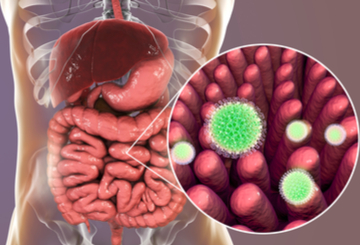
科学家们首次追踪到了干细胞移植后几十年的情况,揭开了50多年来的医学谜团。 For the first time, scientists have tracked what happens to stem cells decades after a transplant, lifting the lid on the procedure that has been a medical mystery for over 50 years. 这些发现为捐献者选择和移植成功的新策略铺平道路,实现更安全、更有效的移植。 Insights could pave the way for new strategies in donor selection and transplant success, potentially leading to safer, more effective transplants. 在这项新研究中,来自Wellcome Sanger研究所和苏黎世大学的研究人员使用先进的基因组测序技术分析了移植后31年的10对供体-受体兄弟姐妹的血液样本。 In this new study, researchers from the Wellcome Sanger Institute and the University of Zurich used advanced genome sequencing techniques to analyse blood samples from ten donor-recipient sibling pairs up to 31 years post-transplant. 研究小组发现,在年轻捐赠者的移植中(二三十岁的人),大约有3万个干细胞能够长期存活,相比之下,老年捐献者的干细胞只有1- 3000个。这种下降可能导致免疫力下降和复发风险增加,这可能解释了为什么年轻的献血者往往能带来更好的结果。 The team discovered that in transplants from younger donors; those in their 20s and 30s; about 30,000 stem cells survive long-term, compared to only 1-3,000 in older donors. This drop could lead to reduced immunity and higher relapse risk, potentially explaining why younger donors often result in better outcomes. 令人惊讶的是,尽管移植过程存在巨大的压力,干细胞在快速分裂重建患者血液的过程中几乎没有发生新的基因突变。 Surprisingly, despite the intense stress of the transplant process, stem cells gain few new genetic mutations as they rapidly divide to rebuild the patient's blood. This challenges previous assumptions about high mutation rates during transplantation. Journal reference: Chapman, M. S., et al. (2024). Clonal dynamics after allogeneic haematopoietic cell transplantation. Nature. doi.org/10.1038/s41586-024-08128-y.



 2026-04-12
 21页
21页






购买咨询
400-9696-311 转1

问题咨询
400-9696-311 转2

商务合作
400-9696-311 转3

投诉及建议
400-9696-311 转4

关注摩熵医药公众号
随时查阅行业资讯

摩熵医药数据小程序
掌上数据查询系统
 川公网安备51019002008863号
 本网站未发布麻醉药品、精神药品、医疗用毒性药品、放射性药品、戒毒药品和医疗机构制剂的产品信息
收藏
登录后参与评论
暂无评论